
Review: Three New Morning Jazz Albums for Slow Starts
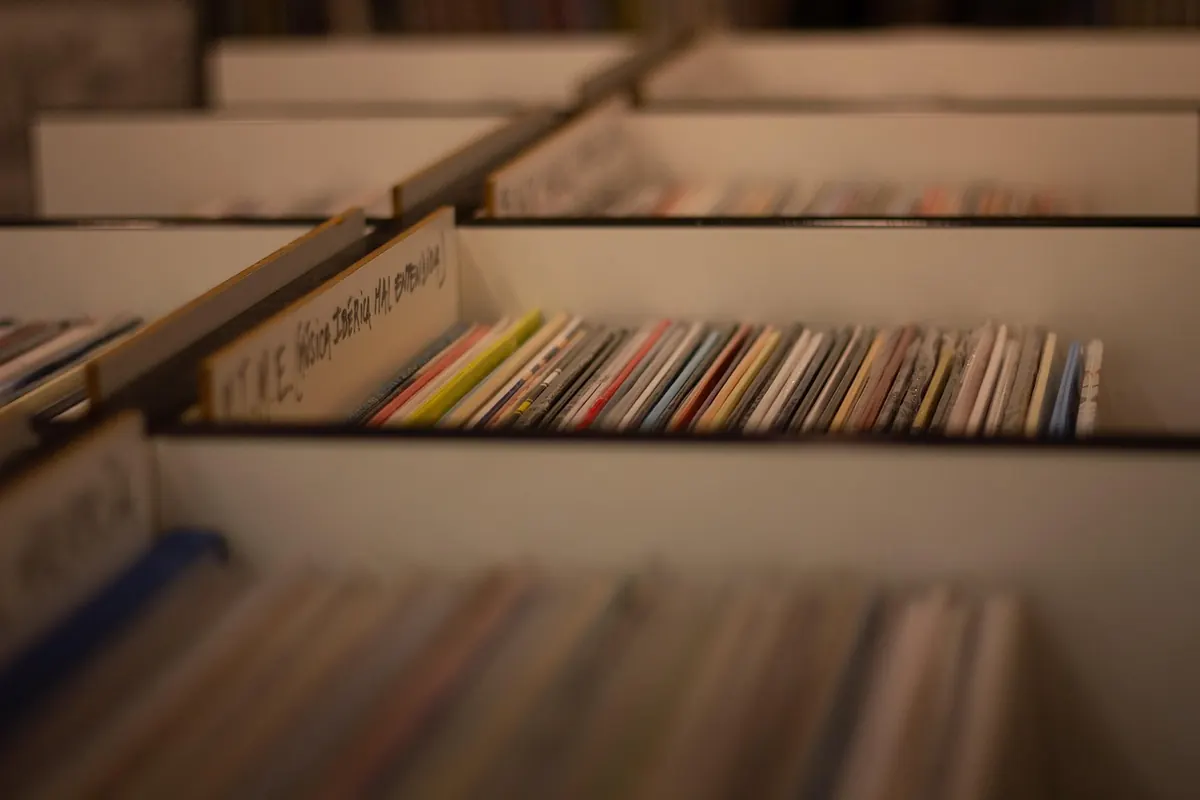
Some jazz records only work before nine in the morning. Play them at seven, with the curtains half open and the kettle starting to mutter, and they sound like a day with room left in it. Play the same record at four in the afternoon and it disappears. The three albums below all live in that narrow window. Each was judged against the same routine: kettle on, phone face down, nothing arriving without warning.
What Makes a Jazz Record Work Before Nine
Morning listening is partly an engineering problem. Three things matter more than genre or reputation.
Tempo. Anything below roughly eighty beats per minute settles into a room rather than filling it. Between eighty and a hundred you get movement, which helps if you need to be dressed and out by eight. Above that, you are not easing into the day, you are starting it early.
Dynamic range. A record that swings between a whisper and a wall of brass has you reaching for the volume dial every ninety seconds. A good morning album holds one setting from the first track to the last.
Space. A little air between phrases gives you room to think about the day without the music narrating it for you. This is why trios and duos so often beat larger bands at this hour. Fewer instruments, fewer decisions, less to keep up with.
1. Slow Water — Ines Bright Trio
A piano trio record, and the most straightforwardly lovely of the three. Bright plays with the sustain pedal down and the right hand a fraction behind the beat, so phrases arrive slightly late, the way a good morning does. The bass walks without ever hurrying, and the drums are brushed almost throughout. The opening track, "Kettle, Then Rain", runs just over five minutes and does exactly what its title suggests: it starts dry, gathers, and then lets the weather settle in.
- Mood: warm, blue-grey, unhurried
- Tempo: 58–70 bpm, steady from start to finish
- Best for: the first coffee, low light, reading the news you will not act on until ten
- Slow-start rating: 4.5 out of 5
One caveat. The last two tracks push towards ninety beats and the pianist takes a solo that lands harder than anything before it. Leave those for the walk to the station, or trim the album to its first seven tracks and keep the quiet intact.
2. Kitchen Radio — Yusuf Adeyemi Quartet
Where Slow Water is private, this one is sociable. Adeyemi writes for tenor sax and a rhythm section that swings properly, with a bounce you can chop vegetables to. The mood is bright and conversational, closer to a Saturday market than a Sunday window seat. It is the record to choose when there is someone else in the flat, or when you have a list and you would like to enjoy getting through it.
- Mood: cheerful, engaged, lightly propulsive
- Tempo: 80–95 bpm, with a couple of slower ballads as breathers
- Best for: breakfast with company, getting dressed, tidying up before you leave
- Slow-start rating: 4 out of 5
The catch is the drum solo on track four. It is terrific, and it is also a full alarm clock. If your mornings need to stay soft, build a short playlist from the album rather than pressing play and hoping for the best. Tracks one, two, five and seven hold the gentler line.
3. Paper Boats — Hanne Lose and Tomas Reed
Guitar and double bass, and very little else. Lose plays mostly with her thumb, letting notes ring and fade, while Reed supplies low, patient lines that sometimes stop altogether. There is no fixed pulse on most of the record. Time is suggested rather than kept, which makes it the most atmospheric of the three and also the most divisive.
- Mood: still, spacious, faintly melancholic
- Tempo: rubato, largely without a regular beat
- Best for: pre-dawn starts, stretching, reading a few pages, slow Sundays
- Slow-start rating: 5 out of 5 for quiet; 3 out of 5 if you have a train to catch
Give it two listens before you decide. On the first pass the gaps can feel like waiting. On the second, they start to feel like the point. If you need a record that tells you to get moving, this is not it.
Three Ways to Build a Slow-Start Playlist
- Sort by tempo, not by album. Take the three or four calmest tracks from each record and play them as one twenty-minute block. Albums are built to take you somewhere; your morning has its own itinerary. A playlist that ignores running order will usually serve you better between seven and eight.
- Keep a fixed first twenty minutes. Same four or five tracks, every weekday, unchanged for a month. Repetition is the whole benefit: the music stops being something you listen to and becomes something that tells your body where you are in the morning.
- Set the volume below the kettle. If you can hear water boiling from across the kitchen, you have it about right. Loud music in a half-lit room tends to feel urgent, and urgency at seven in the morning is rarely useful.
- Note the track that breaks the mood, then move it. Keep a note on your phone for a week. Most records have one or two tracks that tip a gentle start into a busy one, and it is usually obvious by the third morning.
Where to Start Tomorrow Morning
If you want one recommendation, take Slow Water on a weekday and leave the last two tracks alone. Save Paper Boats for a Sunday, when nothing is waiting, and keep Kitchen Radio for the mornings when there are two of you and someone is making toast.
Two practical notes. Keep the volume moderate and take breaks if you are listening through headphones for long stretches, particularly in the morning when the house is otherwise silent; if you have existing hearing concerns, speak to your GP or an audiologist rather than guessing. And give each record three mornings before you judge it. A morning album is doing a job, not competing for your attention, and the ones that last tend to be the ones you barely notice at first.
Photo: niro9 / Pixabay