
How to Build a 30-Minute Morning Playlist for a Calm Start
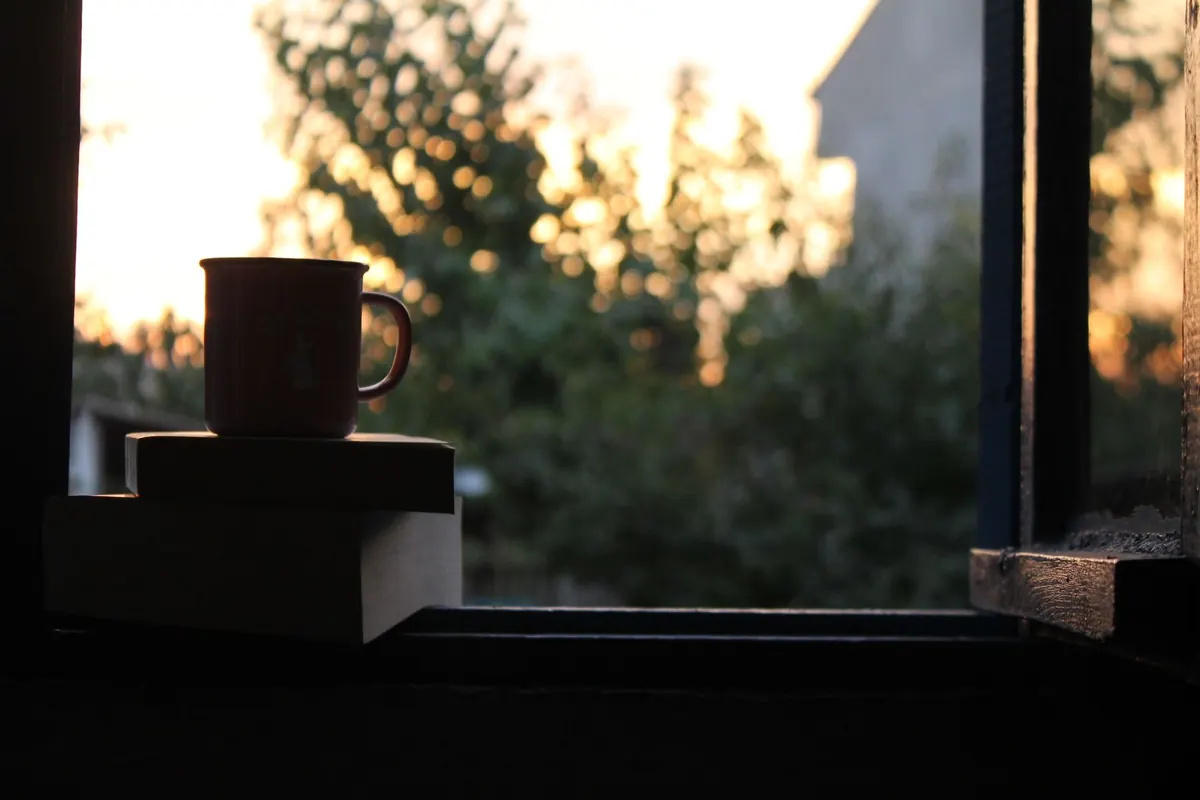
A good morning playlist does one job: it gets you from half-awake to ready without a jolt. Thirty minutes is a useful length for that — long enough to cover a shower, a coffee and the walk to the bus stop, short enough that you'll actually hear the whole thing in order. That order is what does the work. Here's how to build a short playlist that starts softly and finishes with you properly awake.
Decide What Calm Needs to Mean on Your Morning
Calm isn't one mood. A Sunday with nowhere to be needs something different from a Tuesday when you're out of the door by eight. Before you choose a single track, decide what minute thirty should feel like.
Two workable targets:
- Restful calm — you want to stay slow. Solo piano, quiet strings, low-key folk. The playlist drifts rather than builds.
- Clear-headed calm — you want to arrive at the desk or the front door alert but unhurried. Start soft, then let tempo and texture rise gently across the half hour.
Most weekday mornings want the second one. Most Saturdays want the first. Build both, and keep them separate.
Choosing Gentle Openers
The first track sets the ceiling for everything after it. Open with something loud and you've spent your calm before the kettle's boiled.
Good openers share a few qualities: one instrument or a small group, no drum kit driving the beat, a vocal that sits low in the mix or no vocal at all, and a tempo you could walk to without rushing. A lone piano piece, a fingerpicked guitar tune, an ambient wash, a slow jazz ballad — any of these will do.
What to avoid at track one is anything with a hook that demands attention. You know the feeling: a chorus lands and suddenly you're standing in the kitchen with your phone in your hand, listening properly instead of getting on. Save those for later.
Quick test: play the intended opener at the volume you'd normally have on in the morning. If you want to turn it up, it's a later track. If you forget it's playing, it's an opener.
Pacing the Middle: The Energy Arc
Half an hour is too short for a slow burn and too long to hold one flat mood. Treat it as a shallow curve with three rough blocks.
- Minutes 0–8: settle. One or two tracks at the gentlest end of your taste.
- Minutes 8–22: the rise. Layer in a little more — a bassline, a brushed snare, a warmer vocal. It should be so gradual you only notice it in hindsight.
- Minutes 22–30: arrival. Brighter keys, a steadier pulse, something with a bit of lift. The final track should feel like a full stop, not a cliff edge.
Tempo isn't the only dial. A slow song with a big arrangement can feel more energetic than a fast one played softly, so listen for density — how many instruments are in the room — and for brightness, which is often just the key the track is in. A shift from minor to major across the half hour does a lot of quiet work.
Sequencing It, Step by Step
- Set your finish line. Write one sentence: what should you feel like at minute thirty?
- Choose three anchors. An opener, a midpoint track and a closer. Everything else is the connective tissue between them.
- Do the arithmetic. Most songs run three to five minutes, so eight tracks fill half an hour with room to spare. Fewer if you like long pieces.
- Bridge the anchors. Work forwards from the opener, asking of each candidate only: does this sit between the track before it and the track after?
- Listen start to finish. Once, without skipping. Note the moment you reach for your phone.
- Fix two things, not ten. Swap the track that jarred and move the one that arrived too early or too late. Small edits hold together better than a rebuild.
- Name it and save it. "Weekday 30" and "Saturday 30" are enough. Naming it stops you rebuilding it every morning.
Transitions, Silence and the Final Track
Jarring joins ruin gentle playlists faster than bad song choices. Going straight from a whispered piano piece into a full band is like stepping out of a warm bath into a cold hallway.
Three fixes. Group tracks by texture, so quiet sits with quiet and fuller arrangements sit together. Use a short instrumental or ambient piece as a bridge where the jump is unavoidable. And check your crossfade setting — streaming apps often default to several seconds of overlap, which smears gentle tracks into each other. One or two seconds, or none at all, usually sounds better here.
The closer deserves the most thought. Pick something that resolves: a track with a proper ending rather than a fade, ideally one you're happy to leave behind. If you'd happily play it again straight away, it's the right one.
Keeping It Fresh Without Rebuilding It
A playlist you've heard forty times stops doing its job. The fix isn't a new playlist; it's small turnover. Swap two tracks a week and keep a separate list of candidates — a "spare parts" playlist where you drop anything promising you stumble across. Over a month, the list renews itself without losing the shape you built.
Let it shift with the seasons, too. Darker, warmer tracks in winter; lighter, more acoustic ones in summer. The structure stays; the surface changes.
Putting It Together Tomorrow Morning
Build it tonight rather than at 6.45am. Set aside twenty minutes, pick your three anchors, fill the gaps, then give it one full listen in the evening so you aren't auditioning songs while you're hunting for your shoes.
Then leave it alone for a week. Playlists, like most morning routines, get better through small unfussy adjustments rather than a fresh start every day.
One last thing: if this list is going to be on headphones every morning, keep the volume at a level where you can still hear a conversation happening nearby. Morning listening is a habit, and habits last. If you're ever worried about your hearing, speak to your GP or an audiologist rather than simply turning the dial down and hoping.
Photo: Şengül Keleş / Pexels